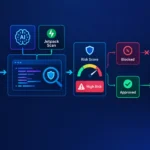
South Korea is introducing a mandatory biometric identity check for new SIM card registrations, requiring subscribers to verify their identity via facial recognition. According to an official government policy briefing, the measure is designed to disrupt large-scale voice phishing and fraudulent SIM activation by adding a live facial check to the onboarding process. For users and telecom operators, the immediate implication is clear: SIM activation controls are becoming stricter, and the security of the identity workflow around the PASS app now matters much more.
Biometric SIM registration: how the new South Korean model works
Until now, purchasing a SIM card in South Korea generally required only a valid identity document. Criminals systematically exploited this process by using stolen or forged IDs to register new numbers, which were then used for fraud, money mule operations, and anonymized communications.
Under the new framework announced by the Ministry of Science and ICT, SIM activation will be tightly integrated with the mobile application PASS, already operated by the three major telecom providers: SK Telecom, LG Uplus, and Korea Telecom (KT). PASS functions as a digital identity wallet holding verified customer data.
PASS app as the core of biometric KYC for SIM cards
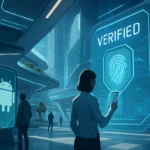
When a customer requests a new number, they will be required to perform a facial scan in the PASS app. The system compares the live facial image with the biometric template and identity data linked to the user’s existing PASS profile. Only if this match is successful will the SIM card be activated on the network.
This effectively adds a biometric factor on top of traditional ID document checks. The goal is to make it significantly harder to activate SIMs using compromised personal information and to reduce the availability of so‑called “grey” or anonymous SIM cards that are attractive to criminal groups.
Voice phishing, SIM fraud and massive data breaches as key drivers
The reform directly targets the country’s long‑standing problem with voice phishing (vishing) and telephone‑based social engineering. Earlier anti-fraud measures already tightened document validation during activation, including an official identity-document photo verification step. Fraudsters have historically relied on large volumes of SIM cards registered to unsuspecting victims, using them to:
— conduct social engineering attacks and impersonation calls;
— open financial products and microloans in someone else’s name;
— hide their real identity and hinder law‑enforcement investigations.
According to The Korea Herald, a large share of fraudulent or fake numbers in 2024 was linked to mobile virtual network operators (MVNOs), which highlighted inconsistent identity verification requirements across the telecom market.
The biometric initiative also follows a period of high public concern about personal-data exposure and identity abuse. In that environment, stronger activation controls reduce the risk that stolen or forged documents can be reused to obtain fresh SIM cards for fraud, mule operations, or anonymous communications.
Korean residents, MVNOs and telecom operators under this mandate
The new requirement directly affects:
- All South Korean residents registering a new SIM card — they must complete the PASS facial scan before activation;
- MVNO operators, who must upgrade their KYC processes and are likely to face mandatory biometric checks in an upcoming phase;
- Telecom providers (SK Telecom, LG Uplus, KT) that must secure biometric infrastructure at scale — any breach of facial recognition templates would be extremely difficult to remediate;
- Fraud victims and potential fraud targets — approximately 52 million Koreans whose personal data was exposed in 2025 breaches are particularly at risk for SIM-based fraud using stolen identity documents.
Security benefits and privacy risks of facial recognition for SIM cards
From a cybersecurity perspective, biometric SIM registration offers several advantages for fraud prevention and digital forensics:
— reduces mass registration of numbers using stolen identities;
— makes it harder for criminals to remain anonymous on telecom networks;
— improves attribution of a phone number to a specific, verified individual;
— supports more effective investigation of phone‑enabled cybercrime.
However, biometric data is among the most sensitive categories of personal information. Unlike passwords or card numbers, a person’s face cannot simply be “changed” after a breach. This raises strict security and privacy requirements for telecom operators and identity providers.
To mitigate risks, providers must ensure at minimum:
- storage of biometric templates or result values in strongly encrypted form, with minimal retention of sensitive data;
- strict access control, logging, and regular security audits;
- robust liveness detection to resist spoofing with photos, videos or deepfake content;
- use of biometrics as part of multi‑factor authentication, not as a sole control.
Without such safeguards, a breach of biometric databases could create long‑term, systemic risks, undermining the very trust the initiative aims to build.
Implications for MVNOs and the future of telecom regulation
The statistic that roughly 92% of fake numbers in 2024 were issued through MVNOs makes it likely that the next regulatory step will be to extend biometric verification requirements to virtual operators. Harmonized KYC standards across all providers would close a critical loophole exploited by fraudsters.
For telecom companies, this shift implies substantial investment in secure biometric infrastructure, upgrades to identity management systems, and regular third‑party security assessments and certifications. Non‑compliance will increasingly translate into regulatory penalties, reputational damage, and direct compensation costs after breaches.
For individuals and businesses, the South Korean case illustrates a broader global trend toward biometric, high‑assurance identity verification in telecom and financial services. To benefit from stronger protections while minimizing new risks, users should carefully manage permissions for identity apps, stay alert to suspicious calls and messages, enable multi‑factor authentication wherever possible, and monitor how their data is collected and stored.